Understanding NFTs — Part 2
The four big categories of NFTs — avatar projects, art, utility tokens and gaming — with the projects that defined each. Originally published November 2021.
Hopefully by now you have a decent understanding of what an NFT is and why people find them valuable. This post aims to arm you with the information required to navigate the various NFT projects that are out there.
Types of tokens
One of the more interesting things about NFTs is that they can represent anything. Some people believe all real estate will be bought and sold as NFTs on the blockchain at some point in the future. Whilst this is an interesting idea, I thought I'd break down the most common types of NFT that are being bought and sold as of today.
Avatar projects
Following the success of Cryptopunks, a lot of NFT projects have duplicated the Larva Labs formula. These projects tend to produce 10,000 NFTs of a particular theme and the community has taken to using these avatars as their online digital identity. There are literally thousands of these Profile Pic (PFP) projects. We've seen punks, apes, cats and dogs to name a few. This concept is getting a little tired, but owning a blue chip (trusted, original) PFP project is the new digital flex for the rich and famous.

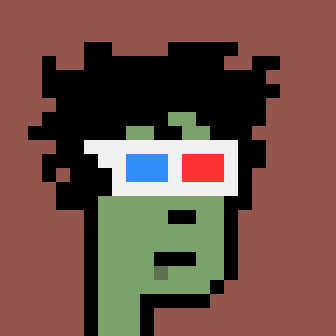
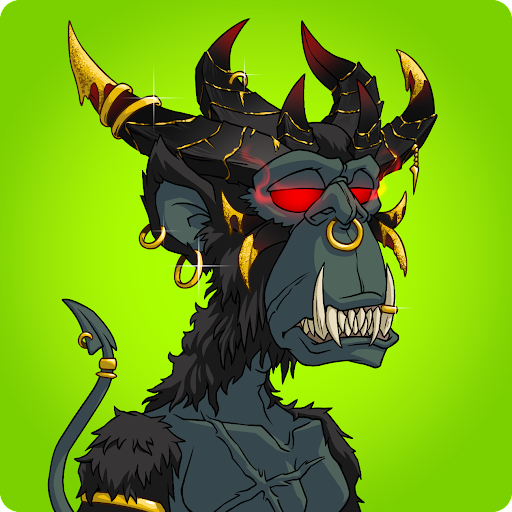
With Twitter looking to officially support these verified NFTs as profile pictures, this might just be the beginning for these types of projects.
Art
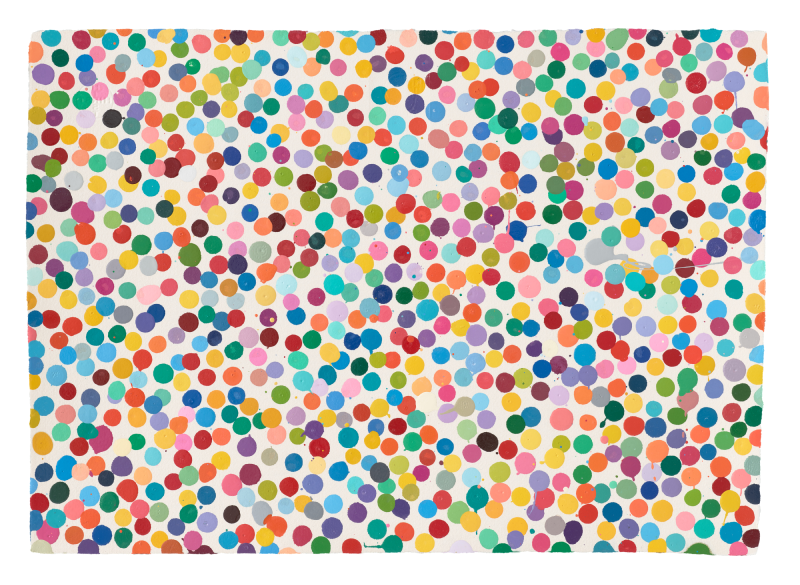
After PFP projects, the most common type of NFT by volume is probably that of art. These tokens vary from traditional artists selling on the blockchain — like Damien Hirst's The Currency, who released 10,000 unique prints that were sent to buyers as NFTs. The originals were stored in a vault, and buyers could then decide to burn (aka destroy) the NFT to receive the physical copy, or keep the NFT and have the physical copy burned.
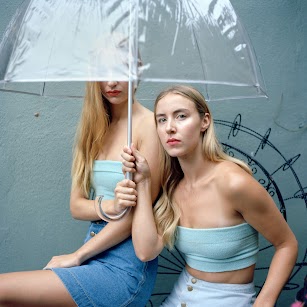
In addition, many photographers have moved to selling their shots on the blockchain — an obvious jump for the medium. Projects like Twin Flames by Justin Aversano, a collection featuring 100 portraits of twins, have seen a huge amount of success over the past few months. The current floor for this project is ~$700k USD.
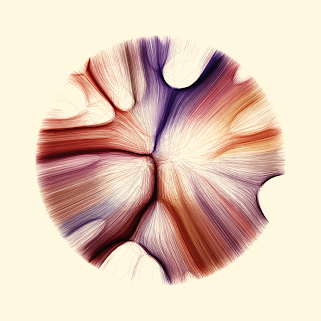
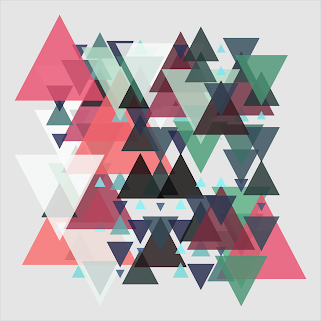
A form that was maybe not so obvious is that of generative art. Generative art is the craft of making art with computer code. A mostly underground group of hackers a few years ago are now the kingmakers of the NFT industry, all being led by Artblocks. Early to the NFT scene, Snowfro understood that NFTs were going to change the world, and used his Cryptopunk sale proceeds to build the Artblocks platform — a generative art platform where artists can launch and sell their generative art 100% on-chain. Artblocks pieces sell regularly for millions of dollars and in many ways is the inspiration for Genesis Mint.

Utility
Utility tokens are an interesting beast — a step towards the "everything is a token" future I touched on above. These tokens, as the name suggests, come with some kind of utility. They are useful. Probably the best example of a utility token is Gary Vaynerchuk's VeeFriends.
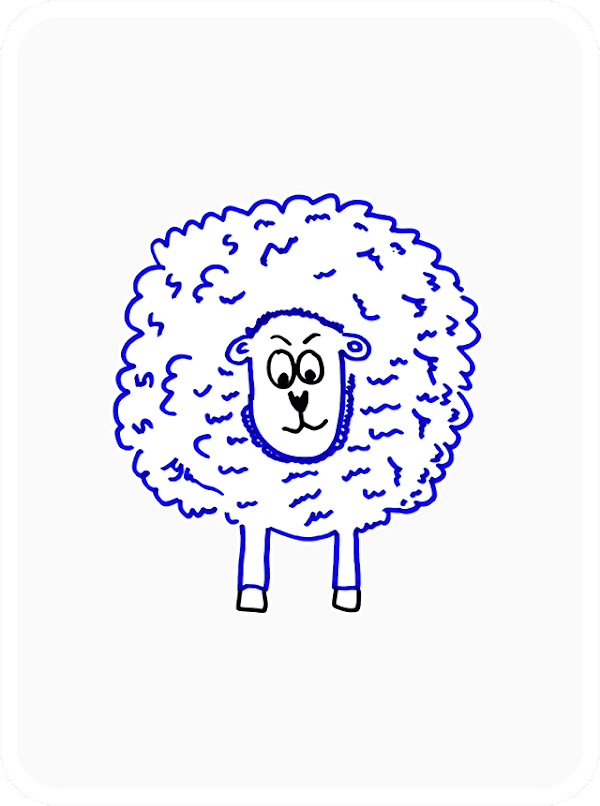
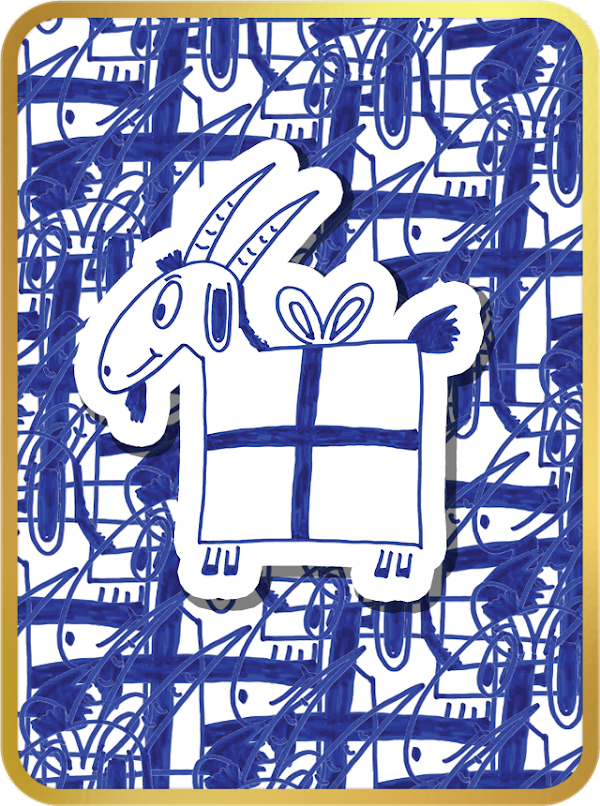
As well as being an NFT, these tokens are entry into the metaphorical "Gary Vaynerchuk Club". They gain you access to the VeeFriends conference each year, in addition to some other fun perks. For example, the Gift Goat above entitles the holder to a minimum of six physical gifts that will be sent to Gift Goat token holders per year for three years until the token experience expires. Whilst the art might leave a little to be desired, the concept more than makes up for it. You can pick one up on OpenSea today for approximately $125k USD.
Gaming
Another interesting space where we're seeing quite a lot of innovation with NFTs is in gaming. Over the past decade we've seen a big push from game studios into in-game items and marketplaces. It's natural to assume that one day these items will be represented as NFTs on a blockchain. The biggest game currently in the market utilising NFTs is Axie Infinity, where on an average day we see tens of millions of dollars of digital assets traded back and forth. Axie has also pioneered a new gaming model called "play to earn", where players essentially earn money to play the game in the form of tokens. Axie has seen an explosion of players in the Philippines in the midst of COVID, with many switching to Axie as their main method of earning income.
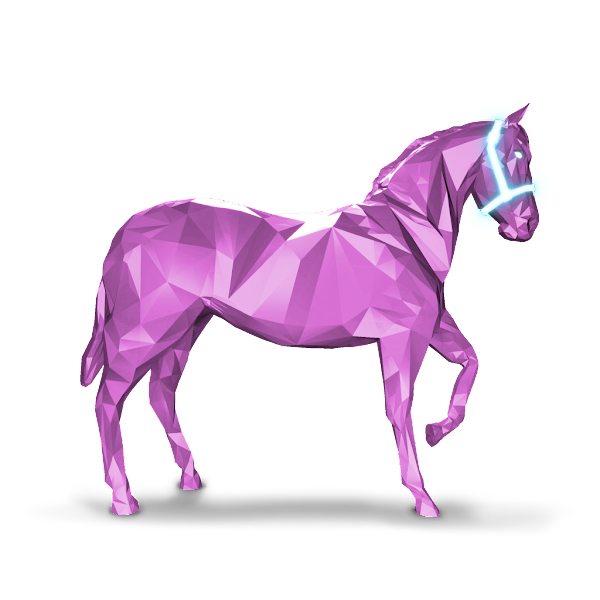
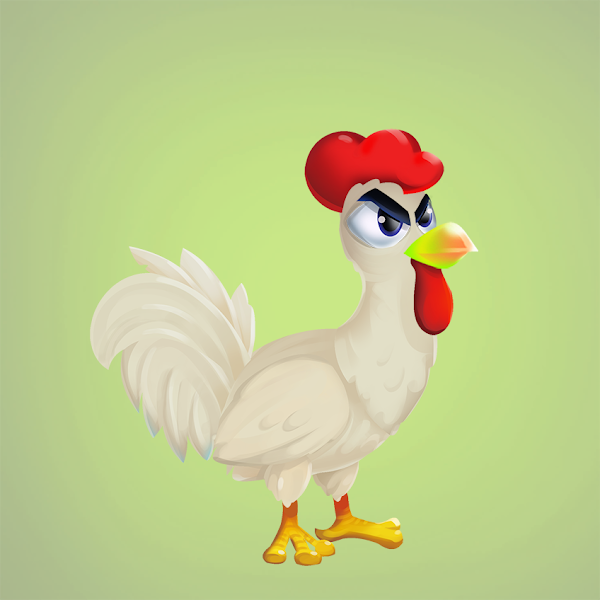
Some other interesting examples of online games that utilise NFTs are Zed Run and Chicken Derby — both online racing games that use NFTs to represent their horses and chickens respectively. Races are run digitally and again players can earn real money for doing so. A somewhat ethical replacement to today's horse racing industry, it's not impossible to think that at some point in the future all horse racing might be digital.
Other
The last category is a catch-all for everything else. I hope it's clear by now that anything can be represented by an NFT. Literally anything. Boats, cars, books, houses, partners — anything.
Where from here?
Well, no one truly knows. But if I was to speculate I'd have high confidence in one or all of the following happening over the next decade or so:
- There will be a large downturn in the NFT market. Many projects' value will go to zero. We've seen this time and time again in crypto. There is a lot of hype in the asset class and we're due for some amount of consolidation.
- Blockchain tokens will continue to increase in usage and utility — for both currency and non-fungible tokens — to a point where these markets are close to the size of, or in excess of, the traditional finance system today.
- More and more things in the real world will be represented on blockchains as an NFT.
- There will be a huge NFT bull run as more and more average investors enter the market, and we will see the truly honest and valuable projects hit new unbelievable highs.
This is my hypothesis and what I will be betting on.
Originally published on Genesis Mint, November 18 2021. The companion piece is Understanding NFTs — Part 1.